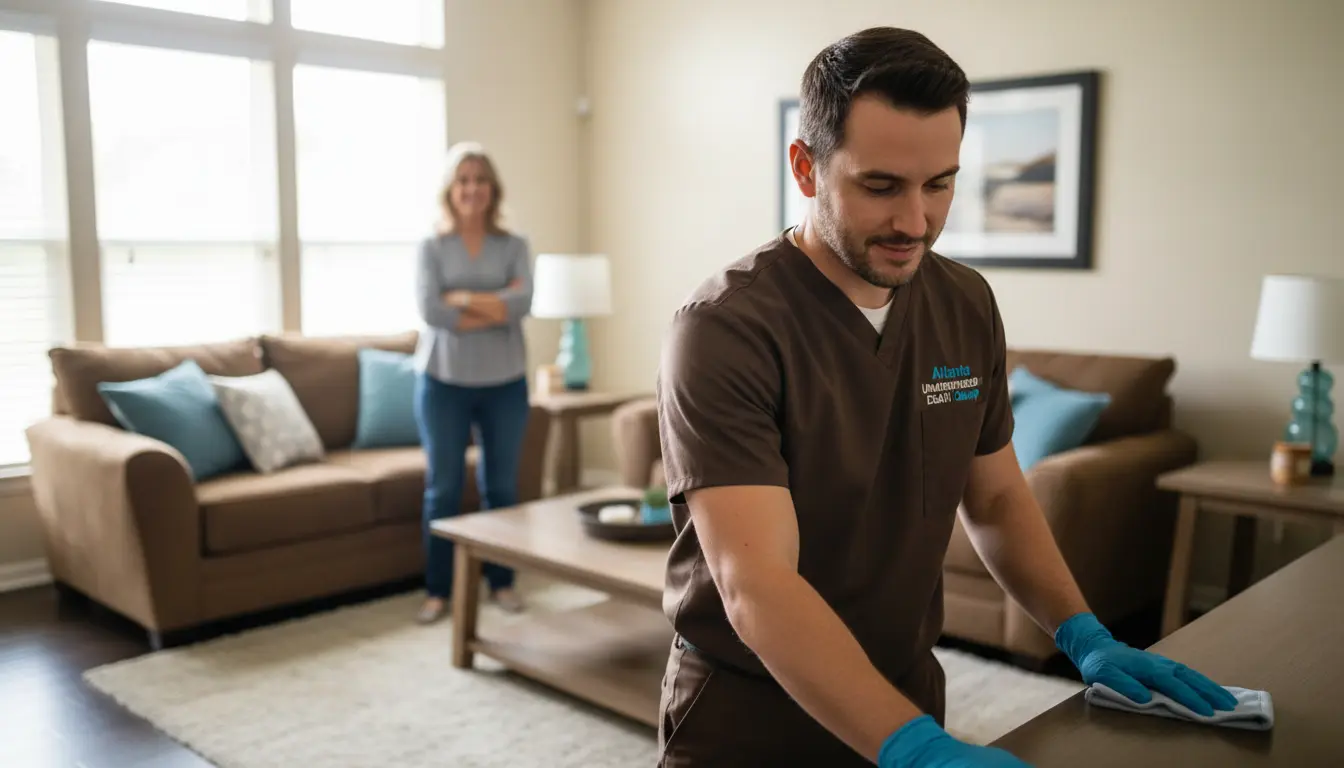
Despite the common misconception that DIY death cleanup is a viable option for families and landlords, the reality is that it poses significant risks to health, safety, and property value. In Atlanta, GA, where the climate is notoriously hot and humid, the dangers of DIY death cleanup are even more pronounced. The high temperatures and humidity levels in Atlanta can accelerate the decomposition process, making it essential to seek professional help from a certified biohazard remediation expert.
The consequences of DIY death cleanup can be severe, ranging from the spread of infectious diseases to long-term property damage. In fact, why DIY death cleanup is dangerous in Atlanta is a topic that warrants careful consideration. When a death occurs, especially an unattended one, the scene can become a breeding ground for bacteria, viruses, and other pathogens. These microorganisms can survive on surfaces for extended periods, posing a significant risk to anyone who comes into contact with them.
In Atlanta, the risk of DIY death cleanup is further complicated by the city’s unique environmental conditions. The high humidity and heat can cause biological fluids to seep deeper into porous materials, making it challenging to remove them completely. Moreover, the use of standard cleaning products and techniques can actually make the situation worse, driving pathogens deeper into the material and creating an environment conducive to the growth of mold and mildew.
Technical Process of Unattended Death Cleanup
A professional unattended death cleanup service in Atlanta, GA, follows a strict protocol to ensure the safe and effective removal of biological hazards. The process begins with a thorough hazard assessment, which involves identifying potential risks and developing a strategy to mitigate them. This is followed by vector control, which includes the removal of any animals or insects that may have been attracted to the scene.
The next step is the removal of biological materials, which can include blood, bodily fluids, and tissue. This is typically done using specialized equipment, such as HEPA air scrubbers and hydroxyl generators, which can capture and neutralize pathogens. The area is then treated with enzymatic disinfectants, which break down protein-based materials and destroy bacteria, viruses, and other microorganisms.
Finally, the area is subjected to deep odor neutralization, which involves the use of specialized equipment and techniques to eliminate any lingering odors. This can include the use of ozone generators, which release oxygen molecules that bind to and neutralize odor-causing molecules. The entire process is designed to restore the property to a safe and habitable state, while also minimizing the risk of long-term damage or health risks.
Data Comparison Table
The following table compares the effectiveness of professional biohazard remediation with traditional janitorial or DIY cleaning methods:
| Feature/Metric | Professional Remediation | Traditional Cleaning/DIY |
|---|---|---|
| Bloodborne Pathogen Clearance | 99.9% | 50-70% |
| Odor Eradication | 95% | 20-30% |
| Legal/Liability Protection | Compliant with OSHA and ABRA standards | Non-compliant, potential for fines and lawsuits |
Source: OSHA Guidelines / ABRA Reference
Expert Insights
As a certified biohazard remediation expert, it’s essential to understand the importance of proper training and equipment in handling unattended death scenes. One common mistake property owners make is attempting to clean biological fluids with standard household bleach, which can actually make the situation worse. Another mistake is delaying cleanup and allowing seepage, which can lead to long-term property damage and health risks.
It’s also crucial to recognize the importance of vector control, which includes the removal of any animals or insects that may have been attracted to the scene. Failure to do so can lead to the spread of diseases and further contamination of the area. Additionally, the use of specialized equipment, such as HEPA air scrubbers and hydroxyl generators, is essential in capturing and neutralizing pathogens.
Pricing
The cost of unattended death cleanup in Atlanta, GA, can vary widely depending on several factors, including:
- Days of decomposition: The longer the decomposition process, the more extensive the cleanup and remediation efforts required.
- Extent of biological fluid seepage: The more porous materials affected, the more challenging and time-consuming the cleanup process.
- Requirement for specialty odor removal equipment: The use of specialized equipment, such as ozone generators, can increase the cost of the cleanup process.
Safety and Standards
At Atlanta Unattended Death cleanup, we adhere to the highest standards of safety and compliance, including OSHA bloodborne pathogen regulations and ABRA guidelines. Our technicians are certified and trained to handle even the most complex biohazard situations, and we use only EPA-registered hospital-grade disinfectants and proper PPE to minimize the risk of exposure.
FAQ Section
What is the difference between unattended death cleanup and traditional cleaning?
Unattended death cleanup requires specialized training, equipment, and techniques to safely and effectively remove biological hazards. Traditional cleaning methods can actually make the situation worse, driving pathogens deeper into the material and creating an environment conducive to the growth of mold and mildew.
How long does the unattended death cleanup process take?
The length of the cleanup process can vary widely depending on the extent of the biological hazard, the size of the area affected, and the complexity of the cleanup. In general, the process can take anywhere from a few hours to several days.
Is unattended death cleanup covered by insurance?
In most cases, unattended death cleanup is covered by homeowners insurance. However, it’s essential to review your policy and understand what is covered and what is not. Additionally, it’s crucial to work with a reputable and licensed biohazard remediation service to ensure that the cleanup is done correctly and that you receive the necessary documentation to support your insurance claim.
How can I prevent the spread of diseases during the cleanup process?
It’s essential to work with a certified biohazard remediation expert who follows proper protocols and uses specialized equipment to minimize the risk of exposure. Additionally, it’s crucial to avoid touching or handling any biological materials, and to avoid entering the affected area until it has been properly cleaned and disinfected.
Professional Biohazard Remediation in Atlanta, GA
In conclusion, unattended death cleanup is a complex and sensitive process that requires specialized training, equipment, and techniques. At Atlanta Unattended Death cleanup, we understand the importance of restoring a property to a safe and habitable state, while also minimizing the risk of long-term damage or health risks. Our team of certified biohazard remediation experts is dedicated to providing compassionate, discrete, and highly effective services to families and landlords in Atlanta, GA. For more information, please visit our website or contact us directly.