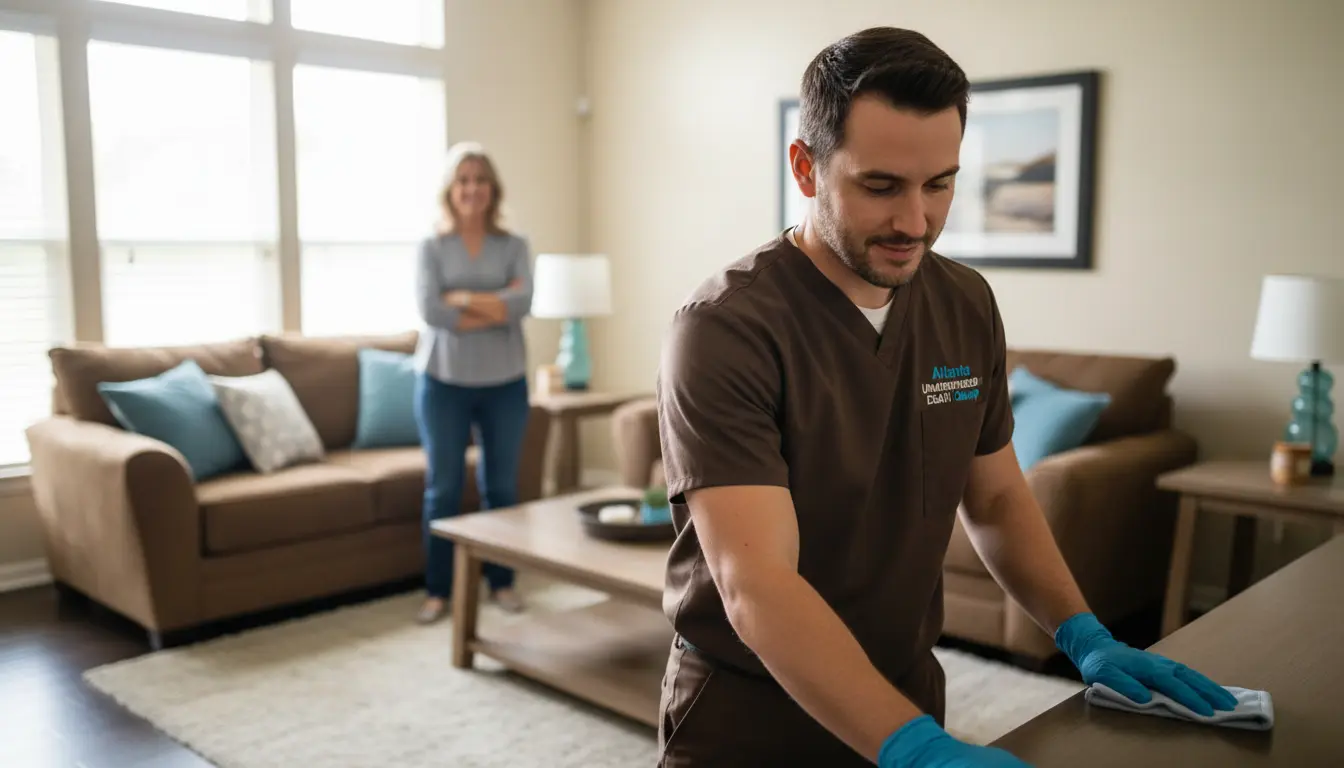
Unattended death cleanup refers to the specialized process of restoring a property to a safe and habitable state after a deceased individual has been discovered, often in a state of advanced decomposition. This situation is distinct from a typical cleaning service, as it requires specific training, equipment, and protocols to address the unique biological and safety risks involved. In Atlanta, GA, where the humid climate accelerates the decomposition process, professional biohazard remediation is crucial to prevent further damage to the property and potential health risks to occupants.
The importance of professional unattended death cleanup cannot be overstated, as traditional cleaning methods are insufficient for handling biological fluids, odors, and other hazardous materials associated with decomposition. Atlanta Unattended Death cleanup is a premier service provider in the area, offering highly trained and discrete remediation services that adhere to OSHA and ABRA standards.
In the event of an unattended death, it is essential to contact a professional biohazard remediation company immediately to mitigate the risks associated with decomposition. This includes the potential for bloodborne pathogens, airborne diseases, and structural damage to the property. By understanding the complexities of unattended death cleanup and the importance of professional remediation, property owners can ensure a safe and healthy environment for future occupants.
Technical Process of Unattended Death Cleanup
The technical process of unattended death cleanup involves a step-by-step approach to assessing and addressing the biological and safety risks associated with decomposition. This includes hazard assessment, vector control, biological material removal, enzymatic disinfection, and deep odor neutralization. Professional remediation teams utilize specialized equipment, such as HEPA air scrubbers and hydroxyl generators, to ensure a thorough and safe cleanup process.
In Atlanta, GA, the ambient humidity and heat require specialized remediation methods to prevent secondary issues like mold and lingering putrefaction odors. This includes the use of desiccants, dehumidifiers, and other equipment to control the environment and prevent further damage to the property. By understanding the local variables that affect the cleanup process, professional remediation teams can provide effective and efficient services that restore the property to a safe and habitable state.
Data Comparison Table
The following table compares the key features and metrics of professional biohazard remediation versus traditional cleaning or DIY methods:
| Feature/Metric | Professional Remediation | Traditional Cleaning/DIY |
|---|---|---|
| Bloodborne Pathogen Clearance | 99.9% clearance rate | Variable and often incomplete clearance |
| Odor Eradication | Complete elimination of odors | Temporary masking or reduction of odors |
| Legal/Liability Protection | Compliance with OSHA and ABRA standards | Increased risk of liability due to inadequate cleanup |
Source: OSHA Guidelines / ABRA Reference
Expert Insights
Professional biohazard remediation experts recommend the following advanced tips for unattended death cleanup: (1) addressing porous materials like drywall or subflooring, which often require physical removal rather than surface cleaning; (2) implementing vector control measures to prevent the spread of diseases; and (3) utilizing enzymatic disinfection to break down biological materials. Common mistakes property owners make include attempting to clean biological fluids with standard household bleach, delaying cleanup and allowing seepage, and ignoring HVAC cross-contamination.
These mistakes can have severe consequences, including persistent bio-loads, structural decay, and increased risk of disease transmission. By understanding the importance of professional biohazard remediation and the potential risks associated with unattended death cleanup, property owners can ensure a safe and healthy environment for future occupants.
Pricing Structure
The pricing structure for unattended death cleanup services varies depending on several factors, including:
- Days of decomposition: Longer decomposition periods require more extensive cleanup and remediation efforts.
- Extent of biological fluid seepage: Seepage into subflooring or multi-level structures requires specialized equipment and techniques.
- Requirement for specialty odor removal equipment: Advanced odor removal equipment, such as hydroxyl generators, may be necessary for complete odor eradication.
- Hoarding complexities: Properties with significant hoarding require additional time, equipment, and personnel for safe and effective cleanup.
Safety and Standards
Professional biohazard remediation companies, like Atlanta Unattended Death cleanup, adhere to strict safety protocols and standards, including OSHA and ABRA guidelines. This includes the use of EPA-registered hospital-grade disinfectants, proper donning and doffing of personal protective equipment (PPE), and thorough training in biohazard remediation techniques.
These standards are essential for protecting future occupants from zoonotic diseases, bloodborne pathogens, and other health risks associated with unattended death cleanup. By prioritizing safety and adhering to established protocols, professional remediation teams can ensure a safe and healthy environment for all individuals involved.
FAQ Section
What is the typical response time for unattended death cleanup services?
The typical response time for unattended death cleanup services is immediate, with most companies providing 24/7 emergency response. This ensures that the property is secured, and the cleanup process can begin as soon as possible to prevent further damage and health risks.
How long does the unattended death cleanup process typically take?
The length of the unattended death cleanup process varies depending on the extent of the decomposition, the size of the property, and the complexity of the cleanup. On average, the process can take anywhere from a few hours to several days or even weeks.
What are the health risks associated with unattended death cleanup?
The health risks associated with unattended death cleanup include exposure to bloodborne pathogens, airborne diseases, and other biological hazards. These risks can be mitigated by wearing proper PPE, following established safety protocols, and ensuring thorough disinfection and decontamination of the property.
Is unattended death cleanup covered by homeowners insurance?
Yes, unattended death cleanup is typically covered by homeowners insurance, as it is considered a necessary service to restore the property to a safe and habitable state. However, it is essential to review the policy and consult with the insurance provider to determine the extent of coverage and any potential limitations.
Professional Biohazard Remediation in Atlanta, GA
In conclusion, unattended death cleanup is a complex and sensitive process that requires specialized training, equipment, and protocols to ensure a safe and healthy environment for future occupants. Atlanta Unattended Death cleanup is a premier service provider in the area, offering highly trained and discrete remediation services that adhere to OSHA and ABRA standards. By prioritizing safety, professionalism, and compassion, we can restore properties to a biologically safe and habitable state, providing peace of mind for property owners and occupants alike.