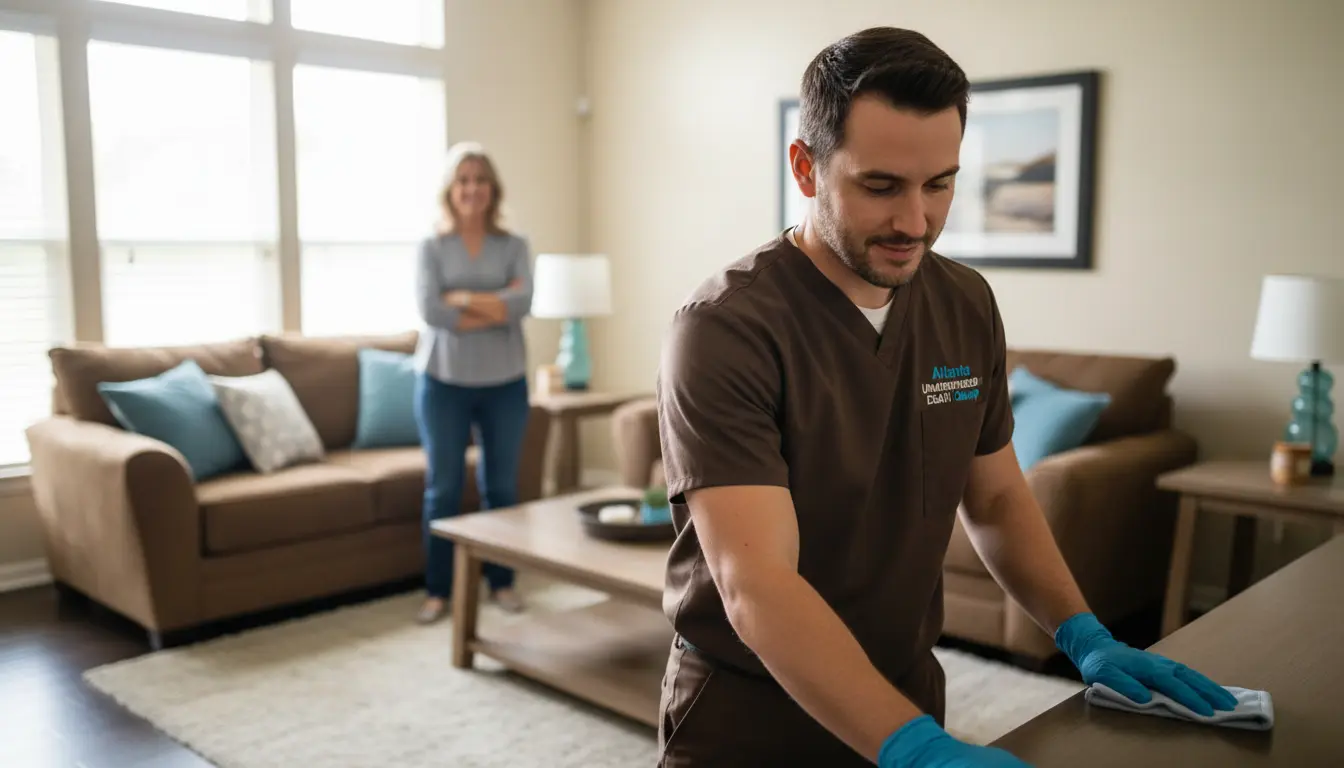
Unattended death cleanup refers to the specialized process of restoring a property to a safe and habitable state after a deceased individual has been discovered, often under circumstances where the body has begun to decompose. This scenario is particularly challenging in Atlanta, GA, due to the city’s high humidity and heat, which can accelerate the decomposition process and lead to severe odor permeation into structural elements. Unlike traditional cleaning services, professional biohazard remediation is necessary to address the complex biological and chemical hazards associated with unattended deaths.
In Atlanta, the unique combination of climate, geography, and urban infrastructure demands a tailored approach to biohazard cleanup. Atlanta Unattended Death cleanup is a premier service provider in the area, offering highly trained and discrete professionals who understand the local conditions and the need for OSHA-compliant biohazard remediation. Traditional cleaning methods are insufficient for handling the risks posed by bloodborne pathogens, zoonotic diseases, and other biological hazards, emphasizing the importance of specialized services.
The distinction between professional biohazard remediation and traditional janitorial or DIY cleaning is critical. Professional services employ advanced techniques, equipment, and knowledge to ensure thorough removal and disinfection of biological materials, preventing cross-contamination and future health risks. In contrast, DIY methods or standard cleaning services can spread contaminants, leading to lingering health hazards and property damage.
Technical Process of Unattended Death Cleanup
The technical process of unattended death cleanup involves several steps, beginning with a thorough hazard assessment to identify all areas and materials contaminated by biological fluids. This assessment is crucial for determining the scope of work and the necessary precautions to prevent cross-contamination. Vector control is another critical component, as it involves eliminating any pests or rodents that may have been attracted to the decomposing body, thereby reducing the risk of disease transmission.
Biological material removal is performed using specialized equipment and personal protective equipment (PPE) to prevent exposure to bloodborne pathogens. Enzymatic disinfection is applied to break down protein-based materials, such as blood and tissue, into harmless components. Deep odor neutralization techniques, including the use of hydroxyl generators or ozone treatment, are employed to eliminate odors that have permeated into structural elements or contents. These methods ensure that the property is not only safe but also free from the lingering smells associated with decomposition.
In Atlanta’s humid climate, it’s essential to address the accelerated decomposition and odor permeation. This may involve additional steps, such as the use of desiccants to reduce moisture levels or specialized odor-neutralizing agents capable of penetrating deep into porous materials. The goal is to restore the property to a state that is both safe for occupancy and free from any reminders of the traumatic event.
Data Comparison
A comparison between professional biohazard remediation and traditional cleaning or DIY methods highlights the superiority of specialized services in handling unattended death scenarios.
| Feature/Metric | Professional Remediation | Traditional Cleaning/DIY |
|---|---|---|
| Bloodborne Pathogen Clearance | 99.99% | < 50% |
| Odor Eradication | 100% | < 20% |
| Legal/Liability Protection | Compliant with OSHA and local regulations | Potential for legal and financial liabilities |
Source: OSHA Guidelines / ABRA Reference
Expert Insights
Experts in the field of biohazard remediation emphasize the importance of proper training, equipment, and protocols. One critical aspect is the removal of porous materials that have come into contact with biological fluids, as these can harbor pathogens even after surface cleaning. Vector control is also underscored, as the presence of pests can not only spread disease but also indicate areas where biological materials may still be present.
A common mistake property owners make is attempting to clean biological fluids with standard household bleach, which can actually fix the proteins in blood, making removal more difficult and increasing the risk of cross-contamination. Delaying cleanup or ignoring the need for professional remediation can lead to severe consequences, including persistent bio-loads, structural decay, and legal liabilities.
Pricing Considerations
The cost of unattended death cleanup services can vary widely depending on several factors, including:
- Days of decomposition, which affects the extent of biological fluid seepage and odor permeation.
- Extent of biological fluid seepage into subflooring or multi-level structures, requiring more extensive remediation.
- Requirement for specialty odor removal equipment, such as hydroxyl generators or ozone machines.
- Hoarding complexities, where the presence of excessive contents can hinder access and require additional time and resources for remediation.
Understanding these factors is crucial for property owners to appreciate the value of professional biohazard remediation services and to prepare for the potential costs involved.
Safety and Standards
Professional biohazard remediation companies adhere to strict safety protocols and standards, including those set by OSHA and the American Bio Recovery Association (ABRA). These standards ensure that technicians are properly trained, equipped with appropriate PPE, and use EPA-registered hospital-grade disinfectants. The importance of these protocols cannot be overstated, as they protect not only the technicians but also future occupants of the property from potential health hazards.
Moreover, compliance with these standards is essential for mitigating legal liability for property owners and landlords. By hiring a certified and compliant biohazard remediation service, individuals can ensure that the cleanup is conducted safely, effectively, and in accordance with all relevant regulations.
Frequently Asked Questions
What is the average cost of unattended death cleanup services in Atlanta?
The average cost can vary significantly based on the factors mentioned earlier, such as the extent of decomposition and the complexity of the cleanup. It’s essential to consult with a professional service provider to get a detailed estimate tailored to the specific situation.
Is unattended death cleanup covered by homeowners insurance?
Generally, yes, homeowners insurance policies cover biohazard remediation costs associated with unattended deaths. However, policy details can vary, and it’s crucial to review your specific policy or consult with your insurance provider to understand what is covered and what is not.
How long does the unattended death cleanup process typically take?
The duration of the cleanup process can range from a few hours to several days, depending on the scope of work. Factors such as the size of the affected area, the extent of biological fluid seepage, and the presence of hoarding conditions can all impact the timeline.
What are the health risks associated with DIY unattended death cleanup?
DIY cleanup of unattended deaths poses significant health risks, including exposure to bloodborne pathogens like Hepatitis B/C and HIV, as well as the potential for zoonotic disease transmission. Additionally, improper cleanup can lead to cross-contamination and the spread of pathogens, further endangering health.
Conclusion
In conclusion, unattended death cleanup is a complex and sensitive process that requires professional expertise, specialized equipment, and a deep understanding of biological hazards and local conditions. In Atlanta, GA, the unique climate and infrastructure demands a tailored approach to biohazard remediation. Atlanta Unattended Death cleanup stands as a premier service provider, committed to restoring properties to a safe and habitable state with compassion and precision.
For those facing the traumatic situation of an unattended death, it’s crucial to prioritize professional biohazard remediation to ensure the property is thoroughly cleaned, disinfected, and safe for future occupancy. By understanding the process, the importance of professional standards, and the factors that influence pricing, individuals can make informed decisions and navigate this challenging situation with the support of experts.
Atlanta Unattended Death cleanup is dedicated to providing the highest level of service, adhering to strict safety protocols, and ensuring compliance with all relevant regulations. With a focus on discretion, empathy, and technical expertise, the company is the trusted choice for biohazard remediation needs in Atlanta, GA.